
Social media can build your brand, bring in customers and keep you in touch with the people who matter to your business. But if you are starting out, it can also feel like shouting into a crowd. This guide covers the steps I use with beginners, in the order that works.
1. Pick the right platform for your business
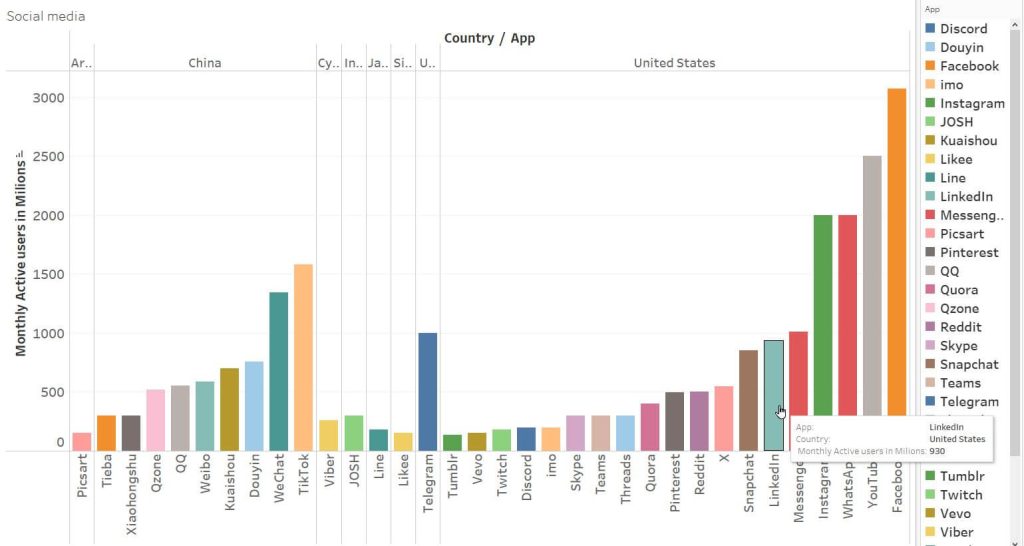
Every platform has its own audience and style. You do not need to be everywhere. Start with one or two where your customers already spend time.
- Facebook: a broad audience, good for community building and local targeting.
- Instagram: visual storytelling with photos, Reels and Stories. Great for products and personal brands.
- LinkedIn: professional networking and B2B. Works well for expertise, case studies and consulting.
- TikTok: short, lively video that reaches a younger audience.
- YouTube: long-form tutorials and reviews that build trust and keep ranking over time.
- X (Twitter): quick updates, news and customer conversations.
2. Know exactly who you are talking to
Before you post anything, write down who you want to reach:
- Who they are: age, location, job, income.
- What they like: platforms, formats and topics.
- What hurts: the problems your product or service solves.
- How they behave: when they are online and what they respond to.
3. Set clear goals
Choose one main goal for each quarter so your effort has a direction:
- Awareness: more followers, visits and brand mentions.
- Engagement: more comments, shares and direct messages.
- Leads: email sign-ups, enquiries or bookings.
- Sales: purchases or sign-ups from campaigns.
4. Create content people want
Mix a few simple formats: helpful tutorials and tips, short videos, behind-the-scenes posts, customer stories, and interactive posts like polls and live Q&A. Aim for useful first, promotional second.
5. Post consistently with a simple calendar
Consistency beats bursts. Decide how often you can realistically post, schedule your content a week or a month ahead, and keep a balance of educational, entertaining and promotional posts. A modest schedule you can keep is better than an ambitious one you abandon.
6. What is working in 2026
- Short-form video: Reels, TikTok and YouTube Shorts remain the easiest way to be discovered. Open with the answer or the hook in the first seconds.
- AI as an assistant: use AI tools to draft captions, outline scripts and summarise posts, then edit them in your own voice.
- Social commerce: shop features on Instagram, TikTok and Facebook let customers buy without leaving the app. For services, use LinkedIn to promote calls and consultations.
- Micro-influencers: small creators with a loyal niche audience often beat big names on trust and cost.
- Authenticity: share the real story, including lessons and mistakes. People follow people.
- Communities: places like Reddit and Discord reward helpful, genuine participation rather than advertising.
7. Measure, learn and adjust
Look at your numbers regularly, but track only the few that matter:
- Reach and impressions: how many people saw your posts.
- Engagement rate: likes, comments, shares and clicks.
- Conversions: sign-ups, enquiries or sales that came from social.
- Audience insights: who is responding, and when.
Use UTM links so Google Analytics can show which posts send visitors who actually take action. Then do more of what works and drop what does not. Test one change at a time, such as the call-to-action, the format or the posting time.
A starter plan for your first 30 days
- Choose one platform and write a one-sentence description of your ideal customer.
- Optimise your profile: clear photo, keyword-rich bio and a link to your website or booking page.
- Plan twelve posts: four helpful tips, four short videos, two stories from customers or you, and two offers.
- Post three times a week and reply to every comment.
- At day 30, review what got the most engagement and plan the next month around it.
Frequently asked questions
How often should a beginner post?
Two to four times a week on one platform is a good start. Pick a rhythm you can keep for months.
Which platform is best for a small local business?
Facebook and Instagram work well for local customers, and LinkedIn suits B2B and consultants. Start where your customers already are.
Do I need to pay for ads?
Not at first. Organic posts help you learn what resonates. Add small paid campaigns once you know which message works.
Can you manage my social media for me?
Yes. See social media marketing or book a free 20-minute call.
Keep learning
Read next: Do the math for success in social media marketing and 5 surprising SEO truths. Watch my free video lessons or explore my courses.