
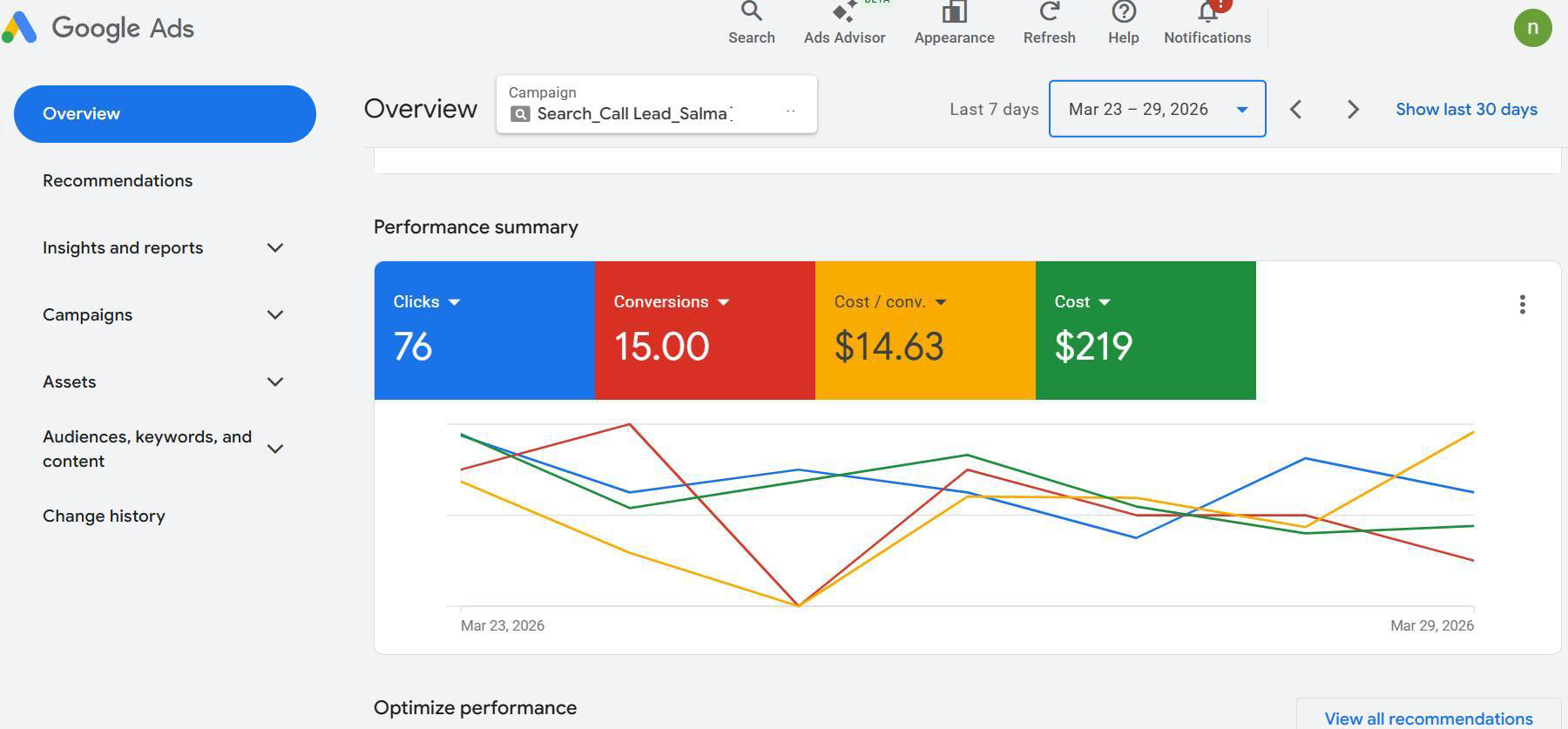
Data-driven marketing means making decisions from verified facts, user behaviour and statistics instead of gut feeling or taste. It turns marketing from a guessing game into a repeatable process. Here is how I apply it to SEO, paid search and social media, and the tools and numbers I rely on.
What “data-driven” means for each channel
- SEO: focus on user intent and technical site health.
- SEM and PPC: focus on testing and return on ad spend.
- Social media: focus on engagement patterns and community sentiment.
In short, you let the numbers show where to spend your next dollar.
Data-driven SEO
- Keyword intelligence: find realistic, lower-competition and long-tail terms that show buying intent.
- Technical audits: use Google Search Console and crawl data to find 404 errors, slow pages and mobile problems.
- Competitor gap analysis: see which keywords rivals rank for and you do not, then create better content.
- Backlink review: check the quality of sites linking to you and deal with spammy links.
Data-driven SEM and PPC
Because every click costs money, data is what keeps ROAS positive.
- A/B testing: run two versions of an ad and keep the one with the better click-through rate.
- Conversion tracking: follow the journey from click to sale, so you know which keywords make money and which only bring window shoppers.
- Quality Score: align ad copy with the landing page to lower your cost per click.
- Bid management: adjust by time of day, location and device.
Data-driven social media
- Audience insights: check age, location and interests to confirm you reach the right people.
- Sentiment: track whether brand mentions are positive, negative or neutral.
- Posting times: use your own history, not generic benchmarks.
- Format performance: compare Reels, carousels and images by saves and shares, then do more of what works.
The data-driven loop
- Collect data from Google Analytics, pixels and platform insights.
- Analyse it for patterns, for example “my AI posts get more shares than my general coding posts”.
- Execute by moving budget and effort toward those patterns.
- Measure whether it worked, and start again.
GA4 and the Meta Pixel: your marketing X-ray
Google Analytics 4 tells you what people do on your site. The Meta Pixel tells you who they are on Facebook and Instagram and how to bring them back. Used together, they give you five big advantages:
- Precise conversion tracking: GA4 shows which sources lead to sales. The Pixel tracks actions such as “Add to cart” or “Lead submitted” and credits them to your ads, so you can see real ROAS.
- Remarketing: show ads to people who visited but did not buy. GA4 audiences, such as visitors who stayed over two minutes, can also feed Google Ads.
- Audience insights: the Pixel adds interest and demographic data, while GA4 shows devices, locations and the pages that keep people engaged.
- Lookalike audiences: once enough data is collected, Meta can find new people who resemble your best customers, which often lowers cost per acquisition.
- Website optimisation: use engagement rate and exit pages to find friction. If most people leave on the shipping page, you know what to fix.
Privacy note: follow consent and privacy rules in your market and be transparent about tracking.
The five Google Ads KPIs I watch
- Click-through rate (CTR): clicks divided by impressions. It shows whether your ad matches the search. A low CTR often means the headline or keywords are off.
- Conversion rate (CVR): the share of clicks that complete an action. If people click but do not convert, look at the landing page and checkout friction.
- Cost per conversion (CPA): spend divided by conversions. If a $50 product costs $60 to win a customer, you lose money.
- Quality Score: Google’s 1 to 10 rating of ad relevance, expected CTR and landing page experience. Higher scores can lower costs.
- Search impression share: how often your ad showed compared with how often it could. A low share points to growth room, limited by budget or ad rank.
Frequently asked questions
Where should a small business start?
Install GA4 and Search Console, set up conversion tracking for your key action, and review the numbers monthly.
Do I need the Meta Pixel if I do not run Facebook ads?
Not necessarily. It matters most if you plan to advertise on Facebook or Instagram or build retargeting audiences.
How much data is enough to make decisions?
Enough that results are not a fluke. As a rule of thumb, avoid big decisions based on a handful of clicks or a few days of data.
Can you set up tracking for me?
Yes. I set up ad tracking and reporting and can review your analytics in a free call.
Keep learning
Read next: The multichannel blueprint for PPC managers and 5 surprising SEO truths.